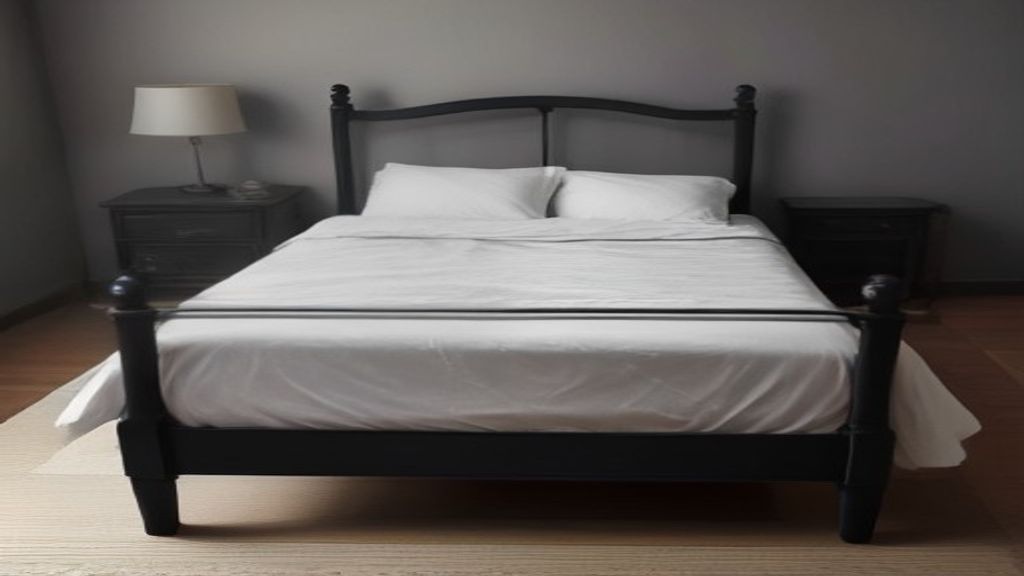
Bought a cast iron bed a few years back. Queen, 76 pounds, looked like it could outlive my marriage. I didn't measure the box spring gap. Rookie move.
The mattress sat up too high, the headboard wobbled, and the whole thing felt like a stage waiting for a play. The fix? Measure the distance from the floor to the rails before you even open your laptop. That number decides everything.
I'll spare you the full catalog dimming. One angle: the frame rails. The rails that hold your mattress. That's where cast iron beds turn into headaches.
The Rail Height Trap: Why 15 Inches Is the Line
Most cast iron frames sit between 10 and 15 inches off the floor. That's without a box spring.
My mistake: I kept the box spring. Instantly added 9 inches. Total height: 24 inches. Looked ridiculous. Climbing into bed became a small workout. My knees hated me.
If you're over 40 like me, here's the rule: measure from floor to the top of the rail. If it's over 15 inches total (frame + box spring), you'll feel it every morning. A platform mattress solves this. No box spring.
That 15-inch line also affects your nightstand. Bed too tall, your lamp becomes a toothpick. I had to buy a taller nightstand. Check Double Bed with Storage Setup: The First Week That Taught Me to Measure Twice for how I fixed that mess.
The Box Spring Decision: Ditch It, Add Slats
Cast iron beds often come with slim rails. A box spring slides right on. Looks fine in a showroom. At home, it's a wobble factory.
The metal rails have little give. A box spring shifts. I woke up at 3 AM thinking the bed was trying to escape.
Solution: cut a piece of 3/4-inch plywood to sit on the rails. Or buy a bunkie board. Costs $30. Stops the sag and the wobble. Before I did that, the whole frame flexed when I rolled over. After, solid.
The Weight: Can You Actually Move It?
Cast iron beds are heavy. Mine weighed 76 pounds for the frame alone. The headboard is 32 pounds. You're not moving it solo up stairs. I almost threw out my back doing exactly that.
If you rent or move often, think twice. This is the piece you swear you'll sell but can't lift into a car. I've done two moves with mine. It didn't get easier. Now I have a system: disassemble, label every bolt, use a hand truck. Still a pain.
If you're in a place that's permanent, the weight is fine. If you're renting, maybe check IKEA Queen Bed: What I Learned in 5 Apartments for something lighter.
The Guardrail Check: Prevent the Headboard Shake
Another thing nobody tells you: the fasteners. Cast iron beds bolt together, and if you don't tighten them every few months, the headboard starts shaking. Every time you sit up, it sounds like a haunted house.
Use Loctite. Blue. The medium strength. My frame hasn't moved in a year.
Also, check if the rails have a slot for the mattress. Some frames have a shallow lip; if the mattress slides off, you'll hate it. My advice: run your hand under the rail before ordering. If it's smooth, pass. You want a rail with a ridge or a hold-down bar.
The One Measurement That Matters
Before you click buy, measure your mattress thickness and your frame's rail height. Add the slat or plywood support. Total height should be between 18 and 22 inches. That's the sweet spot.
I ended up at 20 inches after ditching the box spring. Perfect. My knees, my nightstand, all happy.
So do this: grab a tape, measure from floor to your knee. If your bed frame puts the top of the mattress 2 inches above that, you're good. If it's over 4, you're climbing.
That's it. Skip the pretty pictures. Measure the rails. Your back will thank you.
For more of the same, poke around More guides in Beds & Frames. And if you're stuck on a different style, King Size Platform Bed Frame: What 8 Months of Heavier-than-Planned Sleeping Taught Me has similar lessons.